
Growing Together: Building the Foundation of a New Community Greenhouse
The activities carried out in CERRI's new greenhouse are an important part of the organization's agricultural initiative. Much of this work focuses on preparing cultivation areas, organizing materials, and creating an efficient environment for future crop production. Beyond supporting food-growing efforts, these activities provide valuable hands-on learning opportunities that help participants develop practical skills, teamwork, and a deeper understanding of sustainable agriculture.
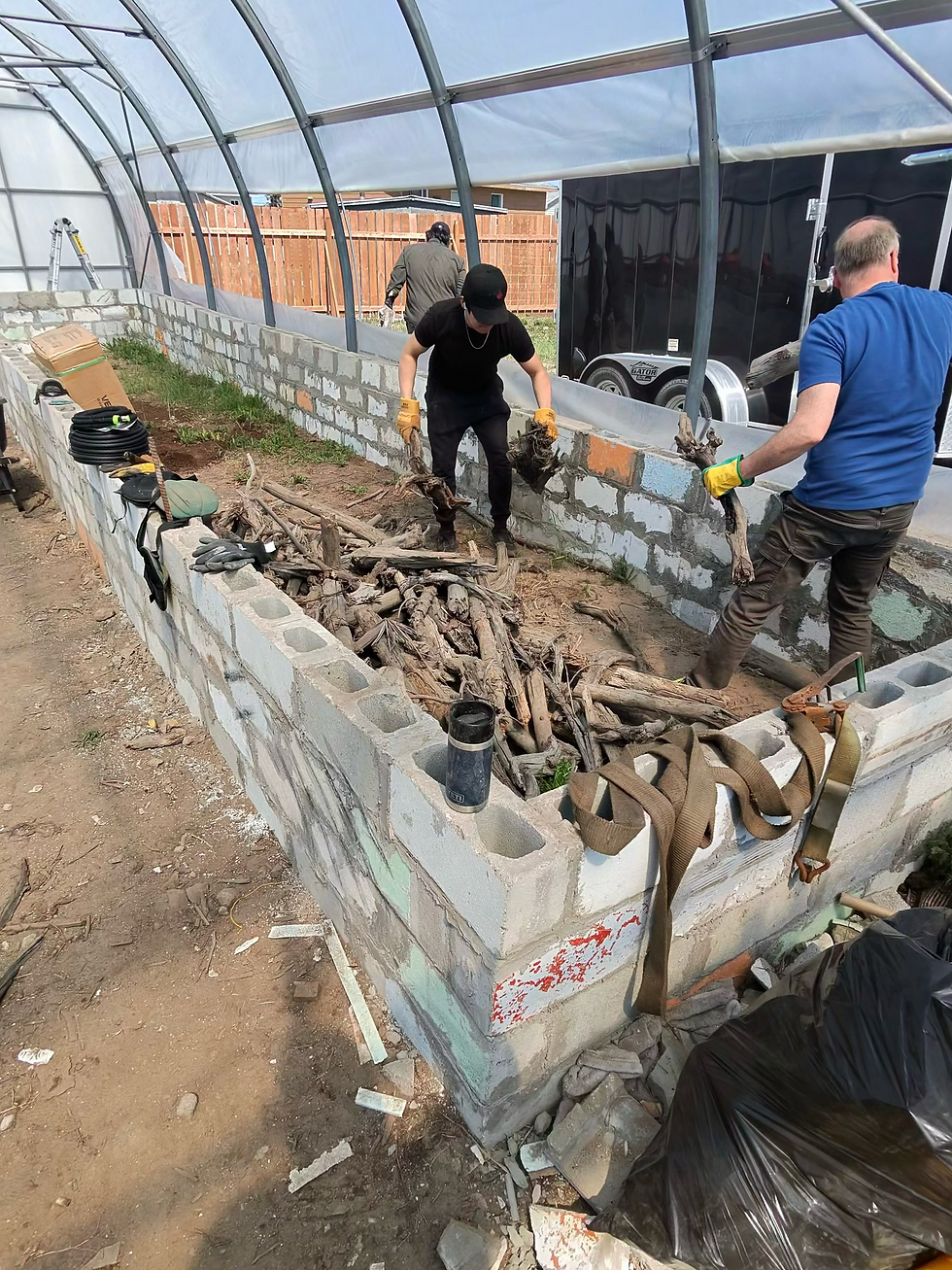
One of the major tasks completed in the new greenhouse was the development of the grow beds. Youth played an active role throughout this process, helping to move materials, build the beds, and prepare the growing areas for planting. Their participation provided valuable hands-on experience while allowing them to contribute directly to a project that will benefit the community for years to come. Working alongside staff and other team members, youth gained practical knowledge about soil preparation, greenhouse operations, and the importance of planning and collaboration in agriculture.

The team prepared the planting beds by distributing and incorporating soil, peat moss, and other horticultural growing media. This process is essential because soil quality directly influences plant health, root development, nutrient availability, and overall crop productivity. Preparing the beds required careful coordination, sustained physical effort, and effective teamwork to ensure that each section of the greenhouse was properly conditioned for planting.
In addition to building the grow beds, the team undertook extensive cleaning and organizational tasks throughout the facility. Materials were sorted and relocated, deteriorated lumber and accumulated debris were removed, and work areas were organized to improve safety and operational efficiency. While these responsibilities may seem routine, they are essential for maintaining a productive agricultural workspace and supporting the long-term success of greenhouse operations.

This experience demonstrated that agriculture involves far more than planting seeds and harvesting crops. Successful food production depends on preparation, accountability, communication, and coordinated effort. Collaborating with team members highlighted the importance of reliability and attention to detail, particularly when individual tasks contribute to broader project goals. Observing how soil preparation, site maintenance, and resource management support future cultivation strengthened our understanding of the planning and labor required for sustainable food production.
The project also helped build confidence in collaborative work environments. Through task sharing, collective problem-solving, and mutual support, participants developed stronger teamwork and communication skills. These abilities are valuable not only in agriculture but also in academic, professional, and community settings where cooperation and effective interpersonal relationships are essential.
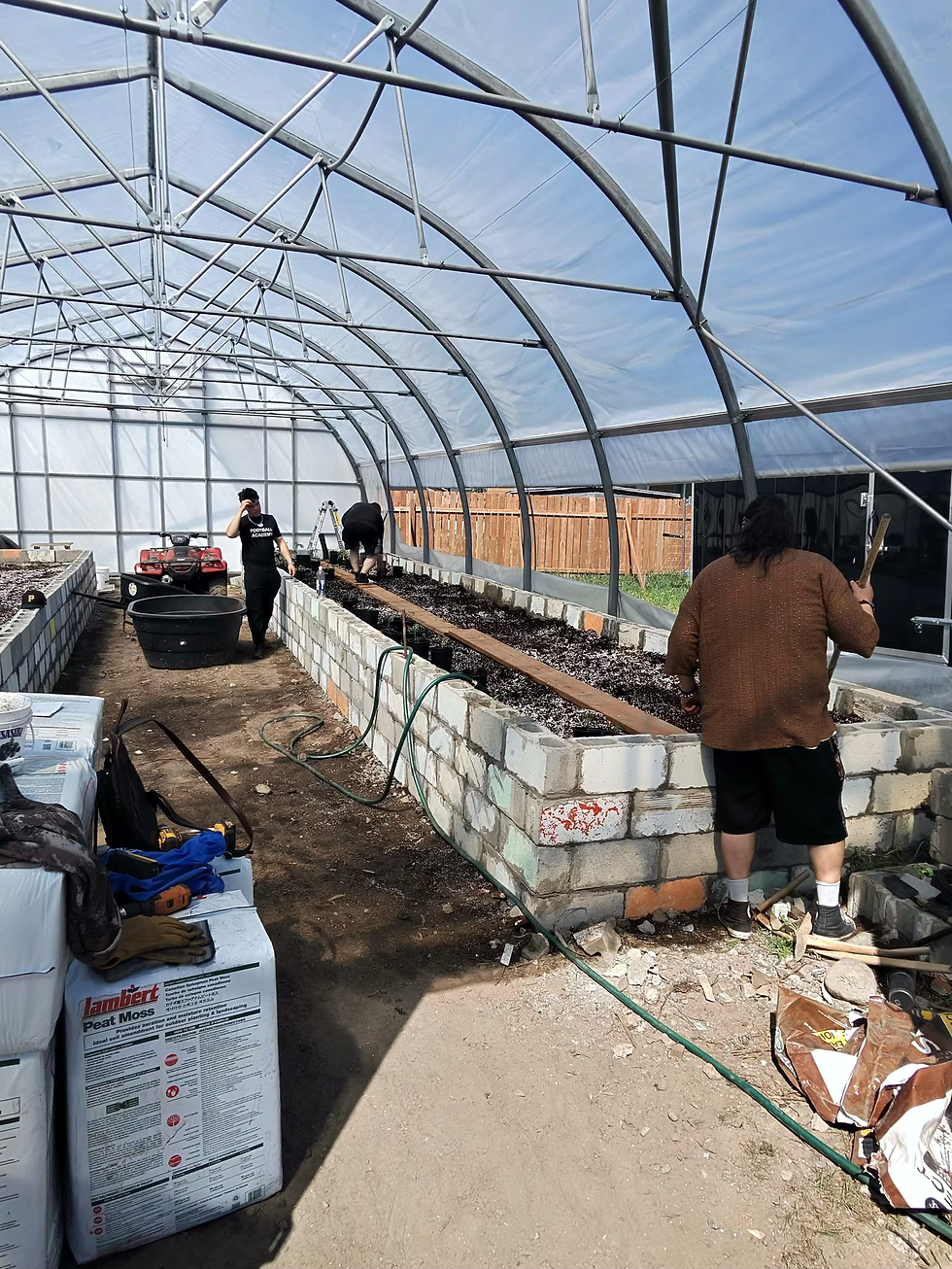
From a community perspective, the greenhouse serves as more than a food-growing facility. It provides opportunities for local food production, experiential learning, and community engagement. The work completed today establishes the foundation for future harvests, educational programming, workshops, and outreach initiatives.
Knowing that these efforts may contribute to improved local food security and increased participation in sustainable agriculture gives added meaning to the project.
Overall, the new greenhouse project demonstrates how preparation, teamwork, and community involvement can lead to meaningful and lasting outcomes. Every completed task strengthens the foundation for agricultural development, youth learning, and community growth. Through this experience, participants gained practical skills in greenhouse management and soil preparation while developing qualities such as patience, responsibility, leadership, and a commitment to community service. These lessons will continue to support future agricultural initiatives and other collaborative projects that create positive social and environmental impacts.


Comments